
Plots
Plots
A plot is a defined piece of land that is used for various purposes such as residential, commercial, agricultural, or industrial development. It is one of the most basic and important forms of real estate, as it provides the foundation for constructing buildings and carrying out different activities. Plots can vary in size, shape, and location depending on their intended use. Residential plots are used for building homes and are usually located in peaceful and well-planned areas with access to basic amenities like water, electricity, roads, schools, and hospitals. Commercial plots, on the other hand, are situated in busy and high-demand areas where business activities can thrive, such as markets, main roads, or city centers. The value of a plot largely depends on its location, connectivity, surrounding infrastructure, and future development prospects. Investing in a plot is often considered a secure and profitable option because land is a limited resource and its value generally appreciates over time. Plots also offer flexibility, as owners can design and build according to their needs and preferences, unlike ready-made properties. Proper legal documentation, such as land titles and approvals, is essential while purchasing a plot to avoid disputes and ensure ownership security.
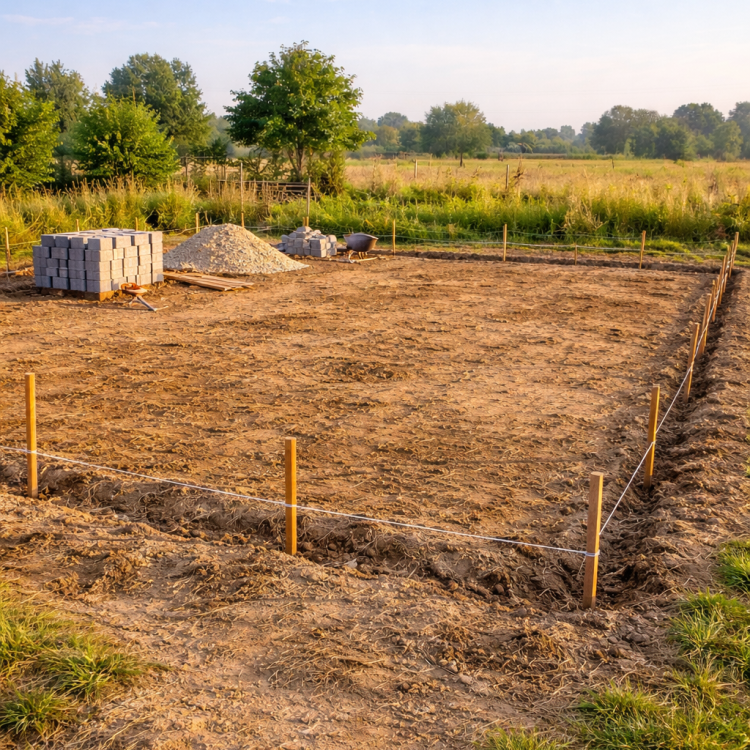
. In addition, factors like soil quality, drainage, zoning regulations, and accessibility play a significant role in determining the usability and worth of a plot. With rapid urbanization and population growth, the demand for plots has increased significantly, making them an attractive investment choice for individuals and businesses alike. Overall, a plot is not just a piece of land but a valuable asset that holds the potential for development, income generation, and long-term financial growth. Land is a limited resource, so its value often increases as demand grows, especially in developing areas. However, before buying a plot, it is important to check legal documents, land use permissions, and local regulations to avoid future problems. Overall, a plot is considered a strong and reliable asset that provides both security and growth opportunities.Another important aspect of a plot is its potential for future development and income generation. As cities expand and infrastructure improves, plots located on the outskirts or in developing regions can significantly increase in value over time. This makes them an attractive option for long-term investors. Plots can also be used for rental purposes once developed into residential or commercial properties, providing a steady source of income. The shape, size, and orientation of a plot also matter, as they can affect construction design, ventilation, and overall usability. Corner plots and plots facing main roads are often more expensive because they offer better visibility and accessibility. In addition, government planning and zoning rules determine how a plot can be used, whether for residential, commercial, or mixed purposes. Proper planning and smart investment in plots can lead to substantial financial benefits in the future. Therefore, a plot is not just empty land but a valuable opportunity for growth, development, and long-term wealth creation.