
Mapping
Mapping
Mapping is the process of representing real-world objects, areas, or data in a visual format to better understand structure, position, and relationships. In simple terms, mapping helps us convert physical or conceptual information into a graphical form. There are mainly two types of mapping: 2D (two-dimensional) mapping and 3D (three-dimensional) mapping. Both play an important role in fields like engineering, architecture, gaming, geography, and design.2D mapping refers to creating flat representations of objects or spaces using only two dimensions: length and width. It does not include depth. Examples of 2D mapping include maps, floor plans, blueprints, charts, and diagrams. In 2D mapping, objects are drawn on a flat surface such as paper or a screen. It is widely used because it is simple, easy to understand, and requires less computational power. For example, a house floor plan shows the arrangement of rooms, doors, and windows from a top view, but it does not show height or depth. Similarly, geographic maps represent countries, roads, and rivers in a simplified flat format.
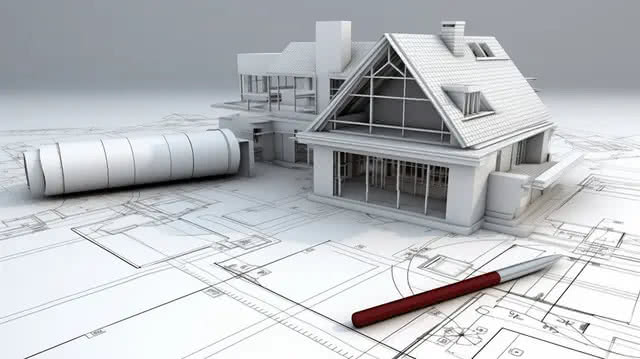
On the other hand, 3D mapping includes three dimensions: length, width, and height (depth). It creates a more realistic and detailed representation of objects or environments. In 3D mapping, objects appear as they do in real life, with volume and perspective. This type of mapping is commonly used in animation, video games, virtual reality, architecture, and advanced simulations. For example, a 3D model of a building shows not only the layout but also the height of walls, design of roofs, and overall structure. It helps viewers understand how an object will look in real space. One major difference between 2D and 3D mapping is visualization. 2D mapping is simpler and easier to create, but it lacks realism. 3D mapping, however, provides a lifelike experience, allowing users to rotate, zoom, and interact with objects. Another difference is usage: 2D mapping is often used for basic planning and representation, while 3D mapping is used for detailed design, analysis, and presentation.